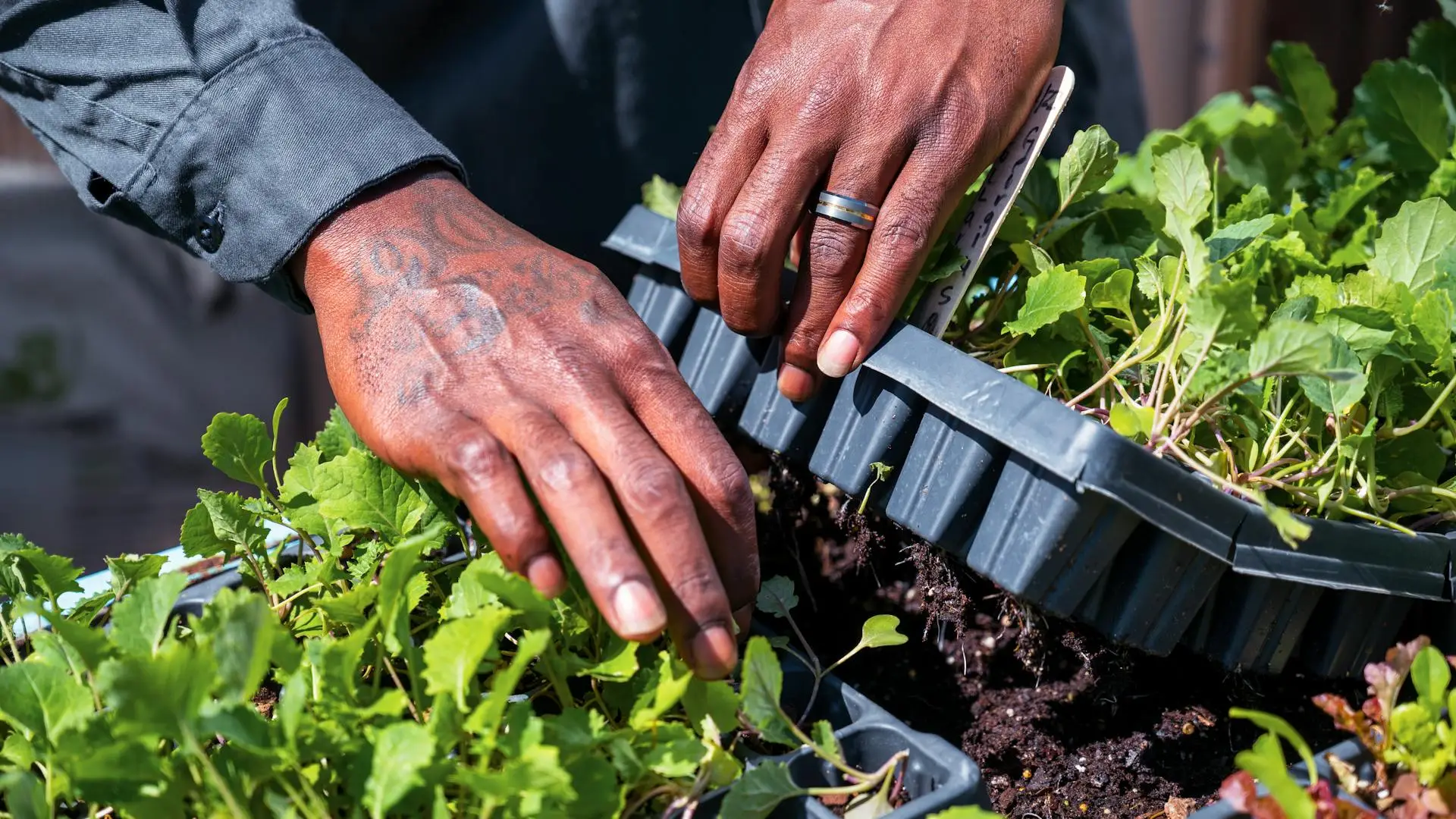

Rooted in Tradition: Embracing Ancestral Gardening for Sustainable Growth
Gardening has always been a powerful expression of culture and identity, especially for African and Black American communities. Ancestral gardening connects us to the land and our heritage, providing a foundation for sustainable practices that can nourish both body and spirit. In this blog post, we will explore effective gardening tips, plant care guides, and ways to grow your own food while honoring the traditions of our ancestors.
The Importance of Ancestral Gardening
Gardening isn’t just about growing food; it’s about cultivating a relationship with our history and the earth. By embracing ancestral gardening practices, we can:
- Reconnect with ancestral wisdom and knowledge passed down through generations.
- Utilize native plants and heritage seeds that flourished in our climate.
- Promote biodiversity and soil health through sustainable gardening techniques.
Getting Started with Gardening
If you are new to gardening, building your garden from scratch can be a fulfilling adventure. Here are some beginner gardening tips to help you grow your own food:
1. Choose the Right Location
- Find a spot with adequate sunlight (at least 6-8 hours a day).
- Ensure easy access to water and that the area has good drainage.
2. Build Healthy Soil
- Use organic compost to enrich your soil with nutrients.
- Incorporate natural amendments like well-rotted manure or cover crops to build soil health.
3. Select Indigenous and Heritage Seeds
Opt for seeds that have historical significance in your culture. Examples include:
- Okra: A staple in Southern cooking and African cuisine.
- Cowpeas (Black-eyed peas): A hardy legume that thrives in various soils.
- Collard Greens: A nutritious leafy green with deep roots in African American culture.
Plant Care Guides
Proper plant care is crucial for a bountiful garden. Here are some essential care tips:
Watering Wisely
- Water early in the morning or late in the afternoon to minimize evaporation.
- Use soaker hoses or drip irrigation systems to conserve water.
Pest Management
- Encourage beneficial insects like ladybugs that prey on pests.
- Use natural repellents such as neem oil or insecticidal soap for protection.
Harvesting Techniques
Harvesting at the right time ensures the best flavor and nutrition:
- Check crops regularly for size and ripeness.
- Use clean, sharp tools to avoid damaging plants during harvest.
Creating a Sustainable Garden
Embrace sustainable gardening practices that respect the land and preserve its integrity:
- Practice crop rotation to maintain soil health and prevent pest cycles.
- Use organic fertilizers and natural pest deterrents to promote a chemical-free garden environment.
Integrating these sustainable techniques will not only benefit your personal health but will also honor the traditions of generations that came before you.
Conclusion
Gardening is more than just tending to plants; it is a form of expression, connection, and renewal. By incorporating ancestral gardening practices and sustainable methods, we can embrace our cultural roots, nurture our environment, and build a brighter future. With patience, dedication, and love, we can grow not just food, but also a deep sense of community and connection to our heritage.