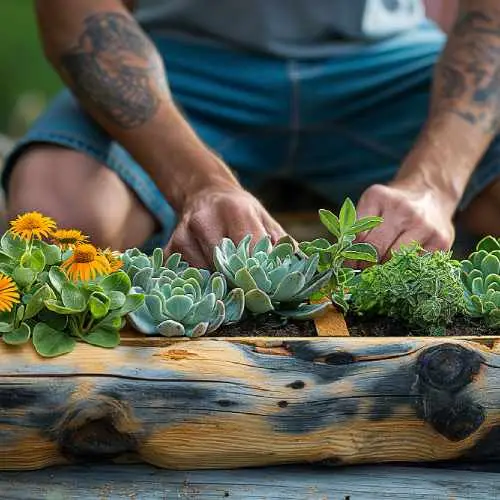

Gardening is more than just a pastime; it is a profound way to connect with our cultural roots and foster a sense of belonging. At Gardening at the Root, we blend ancestral gardening practices with sustainable techniques to uplift our communities and our health. This post explores effective gardening tips and practices that honor our heritage while embracing modern methods.
The Significance of Ancestral Gardening
Understanding the history behind gardening in African and Black American cultures is vital. These practices have been passed down through generations and often include:
- Growing heirloom varieties of fruits and vegetables
- Utilizing companion planting techniques
- Implementing permaculture principles
- Incorporating natural pest control methods
By embracing these traditions, we can cultivate not just food but also community resilience and identity.
Getting Started: Setting Up Your Garden from Scratch
If you're a beginner looking to grow your food, here’s how to start your ancestral garden:
- Choose the Right Location: Select a sunny spot in your yard or community space. Ensure it has good soil and access to water.
- Decide on Your Crops: Consider traditional crops such as collard greens, okra, or sweet potatoes. Choose plants that have cultural significance to your heritage.
- Plan Your Layout: Use companion planting to enhance growth. For example, plant beans alongside corn to promote healthy growth.
- Prepare the Soil: Enrich your soil with compost. This aligns with the sustainable gardening practices that improve soil health.
- Plant With Intention: As you sow your seeds, engage in a moment of gratitude or reflection, honoring your ancestors and the land.
Essential Gardening Tips for Plant Care
To ensure that your garden thrives, keep these plant care guides in mind:
- Water Wisely: Early mornings or late evenings are the best times to water your plants deeply. This allows the roots to absorb moisture effectively.
- Weed Regularly: Regularly check for weeds that compete for nutrients and water. Hand weeding is often the best method to preserve soil health.
- Rotate Crops: Change the location of your plants each season to prevent soil depletion and reduce pests.
- Use Natural Pest Control: Attract beneficial insects like ladybugs to control pests naturally, or use simple solutions like neem oil to keep your plants safe.
Reclaiming Heritage Seeds
Seeds hold a wealth of history and cultural significance. Consider sourcing heirloom seeds that reflect your ancestry:
- Support Local Farmers: Visit local farmers' markets or community-supported agriculture (CSA) programs to find seeds that are well-adapted to your climate.
- Save Your Seeds: Once you’ve successfully grown plants from seeds, save some for the next planting season. This practice honors ancestral wisdom in sustainability.
Creating a Community Garden
Gardening can be a solitary endeavor, but sharing your experience with others enriches the journey. Here’s how to start or join a community garden:
- Organize with neighbors or local organizations to find a shared space.
- Gather resources such as soil, seeds, and tools – consider fundraisers or local donations.
- Establish routines for maintenance, harvest days, and educational workshops.
Connecting with others creates a supportive environment for learning and sharing wisdom, deepening your roots within the community.
Conclusion
Gardening is a powerful act of reclaiming your roots and honoring your heritage. By applying ancestral techniques and embracing sustainable practices, you can cultivate not only a thriving garden but also a connection to your identity and community. Let each seed you plant be a tribute to your ancestors, enriching both your life and the lives of those around you.